





Welcome to the official website of our Erasmus+ School Partnership Project — a collaborative initiative dedicated to promoting health, sustainability, intercultural learning, and digital creativity among European youth.
Our project brings together schools, students, teachers, and experts from different countries to explore and share ideas on topics that matter — such as healthy living, mental well-being, balanced nutrition, and active citizenship. Through virtual and physical mobilities, we aim to foster international cooperation, cultural understanding, and lifelong learning.
We believe that education goes beyond textbooks. That’s why our activities include interactive workshops, expert talks, debates, creative productions, and cross-border teamwork. By combining academic knowledge with real-life skills, we empower students to take active roles in shaping a healthier and more inclusive future.
👥 Who We Are:
We are a diverse team of educators and learners from Europe, working hand in hand to develop innovative educational experiences.
🎯 Our Goals:
-
Encourage healthy and sustainable lifestyles
-
Strengthen students’ digital, social, and communication skills
-
Promote intercultural awareness and cooperation
-
Support inclusive, student-centered learning environments
-
📚 Our Vision:
To inspire young people to learn, grow, and lead with empathy, curiosity, and responsibility — locally and globally.
Thank you for joining us on this journey. Together, we are building bridges through education.
OUR FIRST ONLINE MEETING MARCH 2024
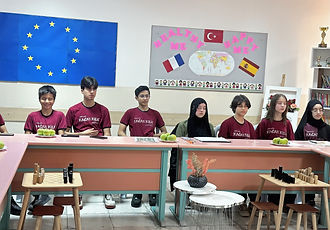

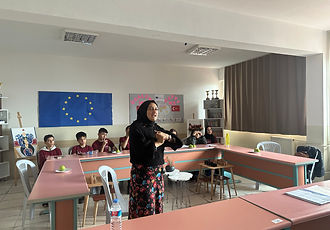


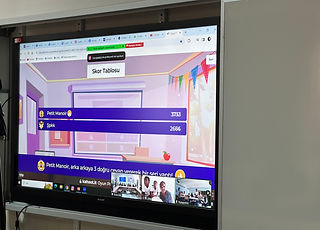
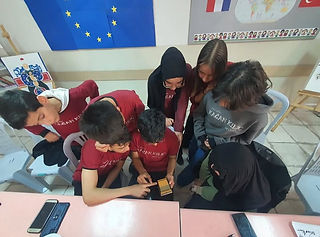

OUR SECOND ONLINE MEETING NOVEMBER 2024


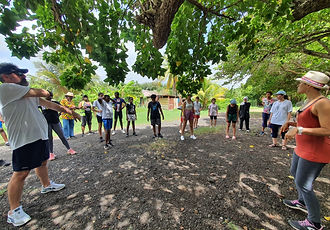
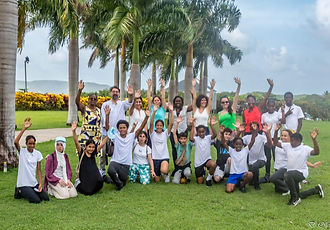
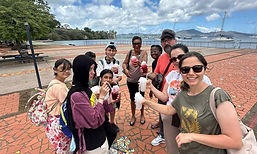
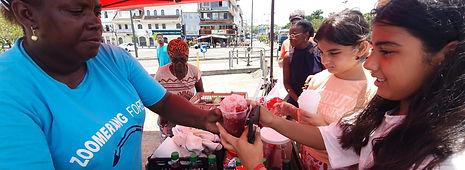
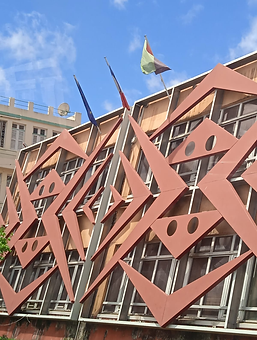
WE ARE IN MARTINIQUE MAY 2024


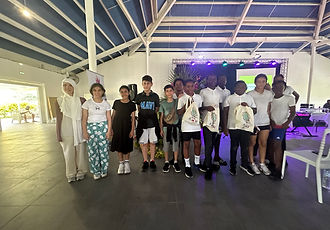


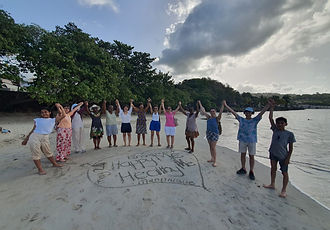



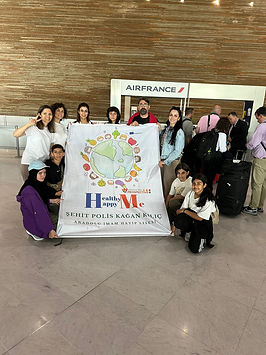
At the Airport


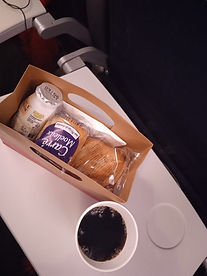
On The Plane

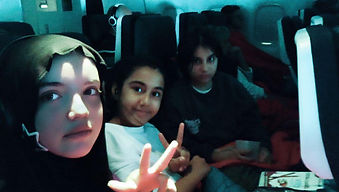

First Time We Meet;
LAUNCHING CEREMONY
Day 1
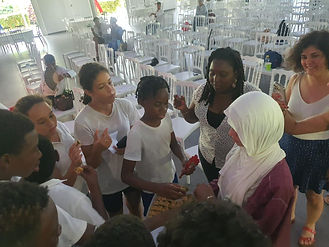


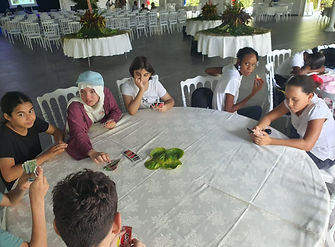
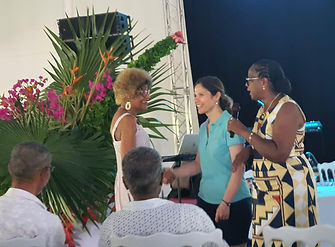


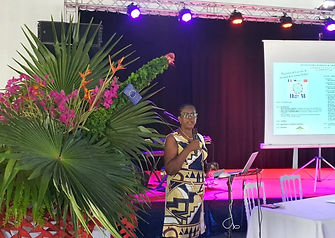


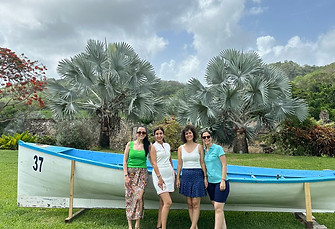

AT PETIT MANOIR
JUNIOR HIGH SCHOOL
Day 2

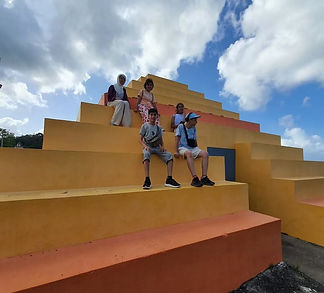


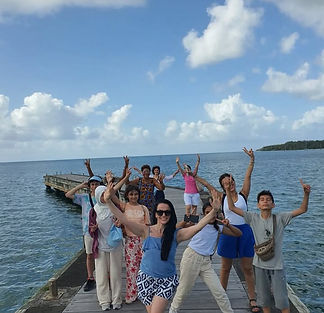


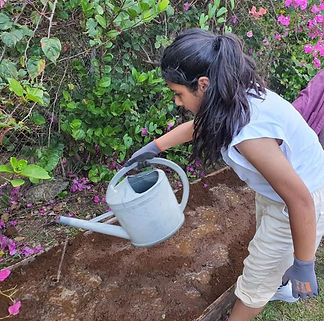

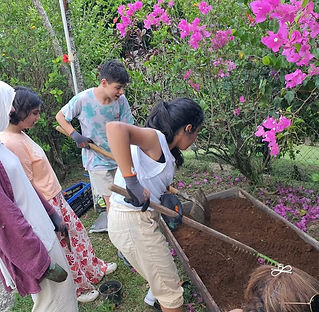

Day 3
Morning At La Trınıte

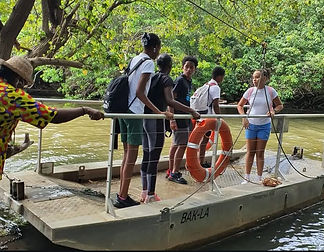

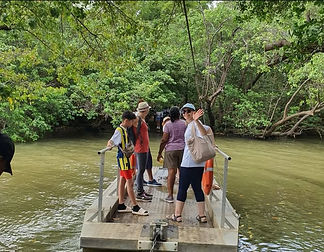


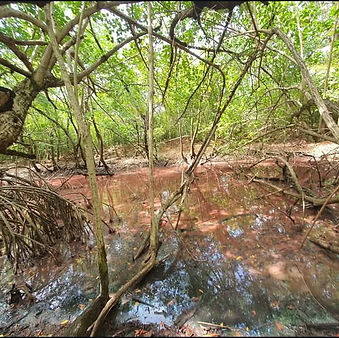
Day 4
Northen Part


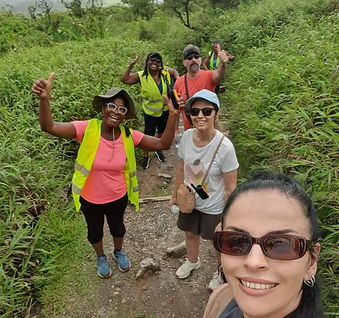
Day 5
At Petıt Maoır Junıor Hıgh School


Day 6
Partner's Departure
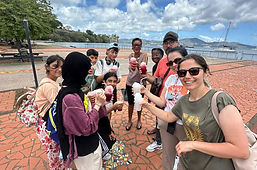







Second Time We Meet;
Day 1
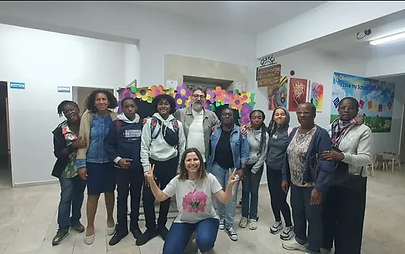


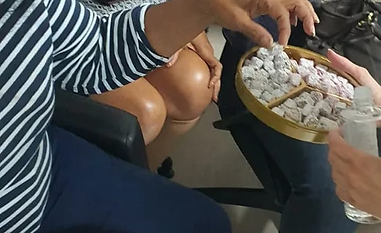
Day 2
Project Kick-Off & İce-Breaking
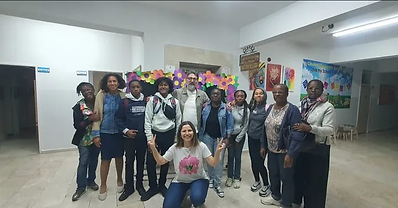





Day 3






我们的工作
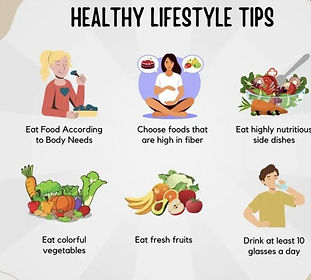
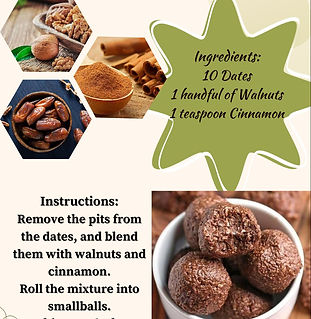


Application is no longer available.

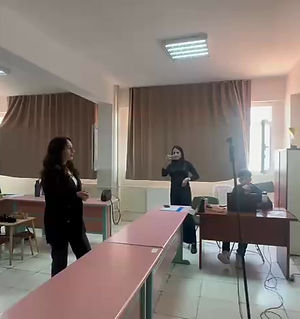
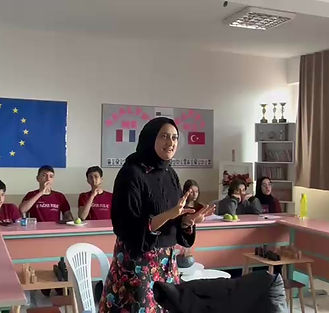

1.BLOG SPOT
Healing from Nature: Medicinal Plants of Türkiye’s Aegean Region
For centuries, people have turned to nature for healing — and Türkiye’s Aegean Region is a true herbal treasure. Thanks to its rich biodiversity and ancient traditions, this region is home to many plants used to treat everyday ailments naturally. In this blog post, we’ll explore some of the most popular medicinal herbs still used today for their healing powers.
⸻
🌱 A Legacy Rooted in History
Medicinal plants have been used since prehistoric times. In ancient civilizations like those in Anatolia and the Mediterranean, herbs were often used both as medicine and culinary spices. Over time, communities developed a deep understanding of which plants helped with digestion, colds, wounds, or sleep — a wisdom still alive today in the Aegean villages.
⸻
🌿 The Power of Aegean Herbs
Let’s take a closer look at some of the region’s most well-known healing plants:
1. Oregano (Kekik / Origan)
Used in teas or meals, oregano supports digestion and eases sore throats. Its antibacterial properties, mainly from compounds like carvacrol and thymol, make it a popular remedy for colds.
2. Thyme (Kekik / Thym)
Another cold-season favorite, thyme is known for its antimicrobial effects. It helps clear airways and is commonly brewed as a tea in the winter.
3. Sage (Adaçayı / Sauge)
Sage is a calming tea often used for sore throats, digestive discomfort, and stress. It is a staple in many Aegean homes.
4. Bay Leaf (Defne Yaprağı / Feuille de laurier)
Beyond its culinary uses, bay leaf tea is used to relieve bloating and joint pain. Its anti-inflammatory effects come from a compound called eugenol.
5. Chamomile (Papatya / Camomille)
Famous for its calming scent and gentle effect on the nervous system, chamomile is perfect for promoting sleep and relieving anxiety or stomach cramps.
6. Lavender (Lavanta / Lavande)
More than just a pretty plant, lavender soothes the mind, helps with sleep, and is often used in oils, teas, and skin products.
7. St. John’s Wort (Sarı Kantaron / Millepertuis)
With its bright yellow flowers, this plant is traditionally used to treat mild depression, wounds, and burns. It’s most effective as an oil or tea.
8. Mallow (Ebegümeci / Mauve)
Mallow is both edible and medicinal. It’s great for coughs and skin irritation and is often prepared as a tea or added to meals.
9. Fennel (Rezene / Fenouil)
This anise-flavored seed is known for calming the stomach and relieving gas. It’s particularly helpful for babies with colic.
10. Peppermint (Nane / Menthe poivrée)
Refreshing and cooling, peppermint is perfect for nausea and headaches. It relaxes stomach muscles and eases digestion.
11. Ginger (Zencefil / Gingembre)
Ginger is a powerful anti-inflammatory root. It boosts circulation and helps with nausea, sore throats, and colds.
12. Linden (Ihlamur / Tilleul)
Often enjoyed as a winter tea, linden supports the immune system, helps lower fever, and soothes anxiety with its gentle floral taste.
⸻
🌼 Why Do People Still Use Medicinal Plants Today?
Even in the age of modern medicine, many people prefer natural remedies — especially for mild symptoms like colds, digestive troubles, or stress. Medicinal plants are affordable, accessible, and often free of side effects when used correctly. In the Aegean, this traditional knowledge is passed down through generations and deeply woven into local culture.
⸻
🌿 Final Thoughts
The Aegean Region of Türkiye is not just a place of sun, olives, and ancient ruins — it’s a living pharmacy gifted by nature. Whether you’re sipping a warm cup of sage tea or using lavender oil for a restful night’s sleep, these plants remind us how close healing can be — right in our gardens.
2. BLOG SPOT
Mind Your Health: A Virtual Journey into Well-Being
📅 6–8 March 2024
From March 6th to 8th, 2024, our Erasmus+ project community came together virtually for an inspiring three-day event focused on mental and physical well-being. Titled “Mind Your Health”, this LTTA (Learning[HÜ1] , Teaching, and Training Activity) brought students, teachers, and experts together in a meaningful exchange of knowledge, culture, and healthy habits.
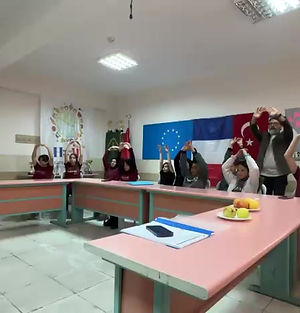
The program started with friendly icebreaker sessions and partner school introductions, helping students across countries connect and interact. Day one continued with online meditation exercises, posture training, and stretching activities designed to promote mindfulness and physical awareness.
On day two, students participated in brainstorming sessions focused on reducing junk food consumption and increasing physical activity. A professional dietitian gave an insightful talk on healthy eating and the role of sports in daily life. In the final session, students and teachers worked on Erasmus+ Corners and updated their school’s digital platforms to reflect project progress.
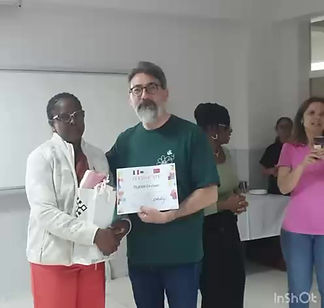
Day three was all about psychology and fun. A psychologist spoke about the influence of family and community in shaping nutritional habits, followed by an interactive online quiz show. The event concluded with virtual museum visits, certificate presentations, and feedback collection.
💬 “I loved the mix of learning and fun. It was really helpful to learn how food and mental health are connected.” – Student participant
The virtual meeting proved that even from a distance, we can share, collaborate, and grow together toward healthier lifestyles.
3.BLOG SPOT
Eat Right, Be Right: Our November Virtual Mobility Experience
📅 18–20 November 2024
In November 2024, we gathered once again – this time virtually – for another exciting Erasmus+ LTTA titled “Eat Right, Be Right”. From November 18th to 20th, students and educators participated in a series of interactive and informative sessions about nutrition, mental health, and self-care.
The program kicked off with warm-up activities and a full overview of the schedule, followed by student presentations about balanced diets and an engaging debate comparing past and present eating habits. A Kahoot quiz on food classification added energy and fun to the learning process.
Day two focused on emotional and mental health. Students discussed the relationship between depression and physical health, then listened to an impactful session from a professional psychologist. The afternoon continued with presentations on personal hygiene, reminding us all of the importance of everyday wellness habits.
On the final day, we explored issues like obesity and weight disorders through presentations from partner schools. A doctor delivered a session on weight management and sleep, offering practical advice for healthy living. The event wrapped up with a recap session, feedback gathering, and certificate presentations.
💬 “I was surprised to see how sleep and diet are so connected. The doctor’s talk really made me think.” – Student participant
This virtual event showed once again how we can learn, reflect, and grow together – even from different corners of Europe – all while developing healthier and more mindful lifestyles.
4. BLOG SPOT
“Healthy Me, Happy Me” – A Week of Health, Culture, and Sustainability in Türkiye
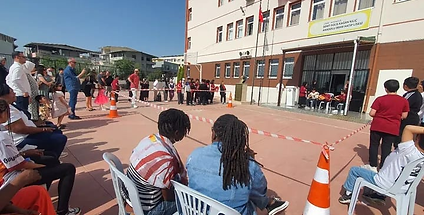
Between April 21st and 28th, 2025, the Turkish leg of our Erasmus+ project "Healthy Me, Happy Me" welcomed students and teachers from France to İzmir for a dynamic and enriching week. The mobility blended health education, cultural exchange, and sustainable living practices.
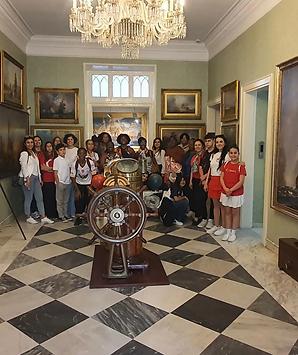
The program kicked off with a warm welcoming ceremony and interactive presentations that celebrated the cultural identities of the partner countries. Participants visited key cultural sites such as the Bilal Saygılı Mosque and the Arkas Mattheys Mansion, setting the tone for a journey of discovery and connection.
Throughout the week, students engaged in diverse activities:
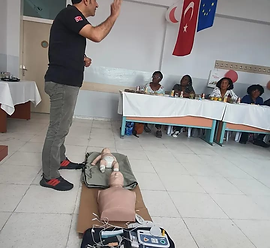
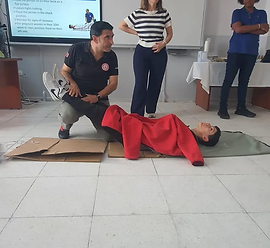
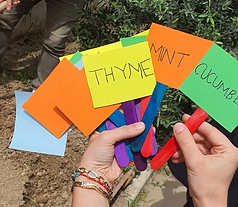
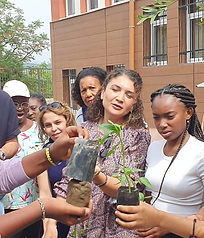
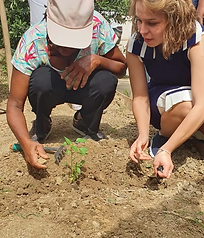
• First aid training, environmental clean-up, and tree planting at the Can Yücel Seed Center, where they also explored sustainable agriculture.
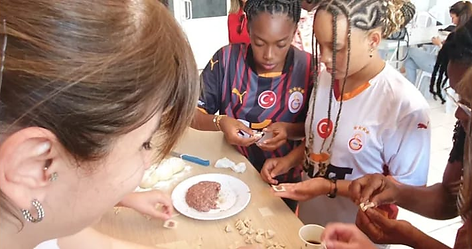
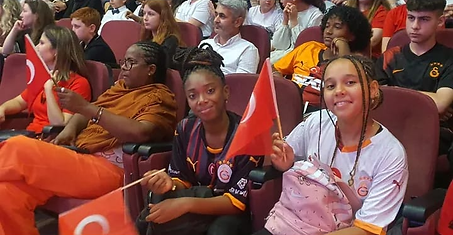
• On National Sovereignty and Children’s Day (April 23), participants joined local celebrations and took part in a cooking workshop focused on traditional meals and healthy eating habits, including comparisons between traditional foods and junk food.
• Cultural excursions to Ephesus, the Virgin Mary Church, İsa Bey Mosque, and Şirince deepened their understanding of Turkish heritage, paired with an informative lecture on climate change and health.
One of the highlights was the Mindfulness and Mental Health Day, where students practiced breathing exercises and meditation. Visits to Urla, Alaçatı, and Çeşme, including the Olive Oil Museum, allowed participants to explore natural heritage and wellness traditions.
On the final days, participants worked collaboratively on project outputs, explored Nazarköy and Kumis Horse Farm, and engaged in conversations about medicinal plants and local herbs.
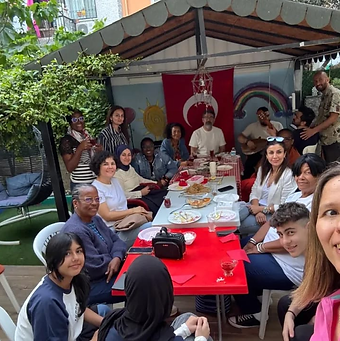
The week concluded with a city tour, cultural immersion in İzmir's vibrant Kemeraltı Bazaar, and a heartfelt farewell dinner, leaving everyone with cherished memories, stronger international friendships, and a renewed commitment to healthy living.
5. BLOG SPOT
“From Culture to Well-being” – Erasmus+ Week in Martinique, France
In spring 2024, our Erasmus+ partner mobility continued with a vibrant and meaningful exchange hosted in France, uniting students and educators under the shared theme of healthy lifestyles, emotional well-being, and cultural enrichment.
The week featured a balanced program combining educational activities with experiential learning. Upon arrival, our participants were greeted warmly, joining workshops and group games that encouraged team-building and intercultural communication.
Some key highlights of the week included:
• Interactive language and drama workshops, where students expressed themselves creatively while improving their English skills.
• A day dedicated to emotional intelligence and stress management, including role-playing activities and relaxation techniques to raise awareness about mental health.
• Field trips to historic sites, and nature walks, offering a chance to explore the Martinique landscape, history, and biodiversity.
• Discussions on climate and health, aligned with the project’s focus on sustainability, as well as collaborative planning for the project's dissemination activities.
The week not only deepened students’ knowledge on healthy habits and emotional resilience, but also fostered lasting international friendships, teamwork, and cultural understanding. As students shared reflections and received their EU participation certificates, a sense of achievement and unity was felt by all.
Our time in Martinique, France was an unforgettable chapter of the “Healthy Me, Happy Me” project — a celebration of youth empowerment, well-being, and European solidarity.
SURVEY EVALUATIONS
Healthy Me Happy Me Erasmus+ Project Evaluation Summary
Participant Profile
A total of 17 participants completed the pre-test, and 10 participants completed the post-test as part of the Erasmus+ project "Healthy Me Happy Me." The activities aimed to assess participants' understanding of healthy eating, physical activity, and wellness habits.
Key Findings
1. Nutrition Knowledge
-
88% of participants recognized the importance of eating well-balanced meals daily.
-
94% correctly identified essential components of a healthy diet (proteins, vitamins, minerals, and carbohydrates).
-
Dairy group misconceptions: 76% correctly listed milk, cheese, and yogurt, while 24% included incorrect items like eggs and soy milk.
2. Physical Activity & Sports
-
94% agreed that sports improve both physical and mental health.
-
82% acknowledged that sports teach teamwork and fairness.
-
76% reported feeling healthier and happier with breathing exercises.
3. Junk Food Awareness
-
71% correctly disagreed that junk food provides nutritional value.
-
88% understood that junk food is often consumed due to its affordability and convenience.
-
88% recognized the link between junk food and obesity.
-
76% agreed that junk food affects behavior and cognitive function.
Post-Test Improvements
-
100% of participants correctly identified that junk food is cheap and convenient, showing improved awareness.
-
Stronger consensus on the benefits of balanced nutrition and physical activity compared to the pre-test.
Participant Feedback
-
Engagement: Interactive elements like Kahoot games were highly praised.
-
Content Relevance: Most found the sessions useful, with topics like "regular sleep" and nutrition awareness well-received.
-
Areas for Improvement: Some participants suggested diversifying topics and improving technical setup for smoother virtual sessions.
Recommendations
-
Address misconceptions about dairy products through visual aids and quizzes.
-
Enhance awareness of junk food’s impact on behavior and cognition with case studies or expert talks.
-
Improve engagement by ensuring all participants feel comfortable interacting in future sessions.
-
Optimize technical aspects to minimize disruptions in virtual meetings.
Conclusion
The project successfully enhanced participants' knowledge of healthy eating and physical activity. The results highlight strong foundational awareness while identifying key areas for further education. Future initiatives can build on these findings with more interactive and visually engaging content

了解更多信息